
Safe Upgrades: Adding Modern Security Features to Older Safes
A well-built safe can serve a family or business for decades. The steel body may still be solid, the door may close properly, and the interior may have plenty of room. Yet an older safe can still feel dated when the lock is slow, the shelving no longer fits the contents, or the protection does not match what is stored inside today.
That does not always mean the entire safe needs to be replaced. Depending on the make, model, condition, and construction, certain components may be updated. Other improvements are best chosen when ordering a new safe because they are built into the body or door. The first step is understanding which category an upgrade falls into and having the safe evaluated before any work begins.
Start With a Complete Condition Check
Before changing the lock or adding accessories, look at the safe as one system. The door should open and close smoothly without scraping, dropping, or requiring extra force. Bolts should travel normally, hinges should feel stable, and the lock should operate consistently. Rust, moisture, impact damage, a loose handle, or a history of lockouts may point to a larger issue than an outdated keypad.
The safe's age alone does not determine its condition. A heavy, well-maintained safe in a climate-controlled room may remain dependable for many years. A newer unit exposed to humidity, water, or rough moving can develop problems sooner. Professional inspection is especially important before modifying a lock, drilling the door, changing electrical components, or moving a safe that weighs hundreds of pounds.
Upgrade From a Mechanical Dial to an Electronic Safe Lock
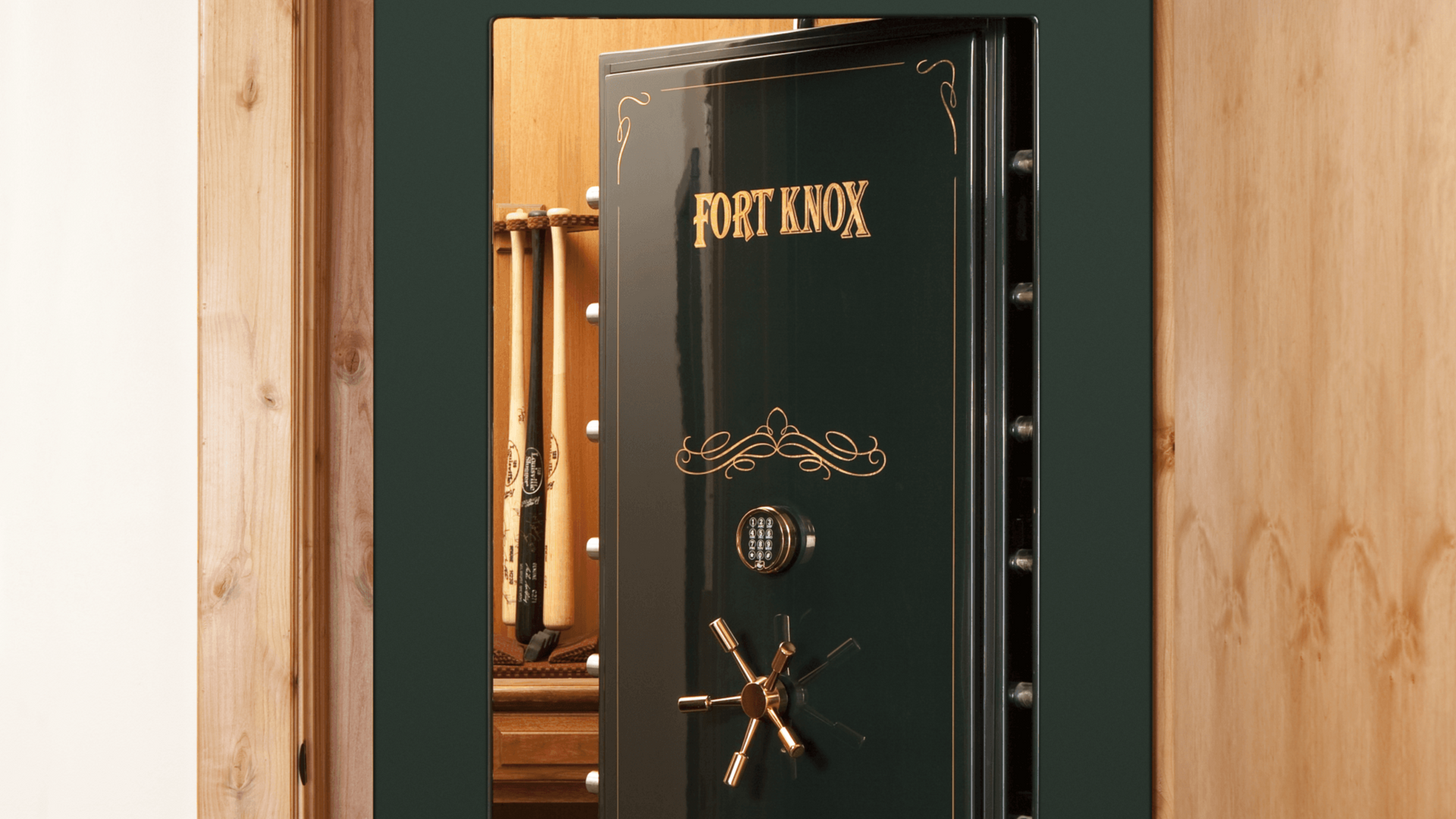
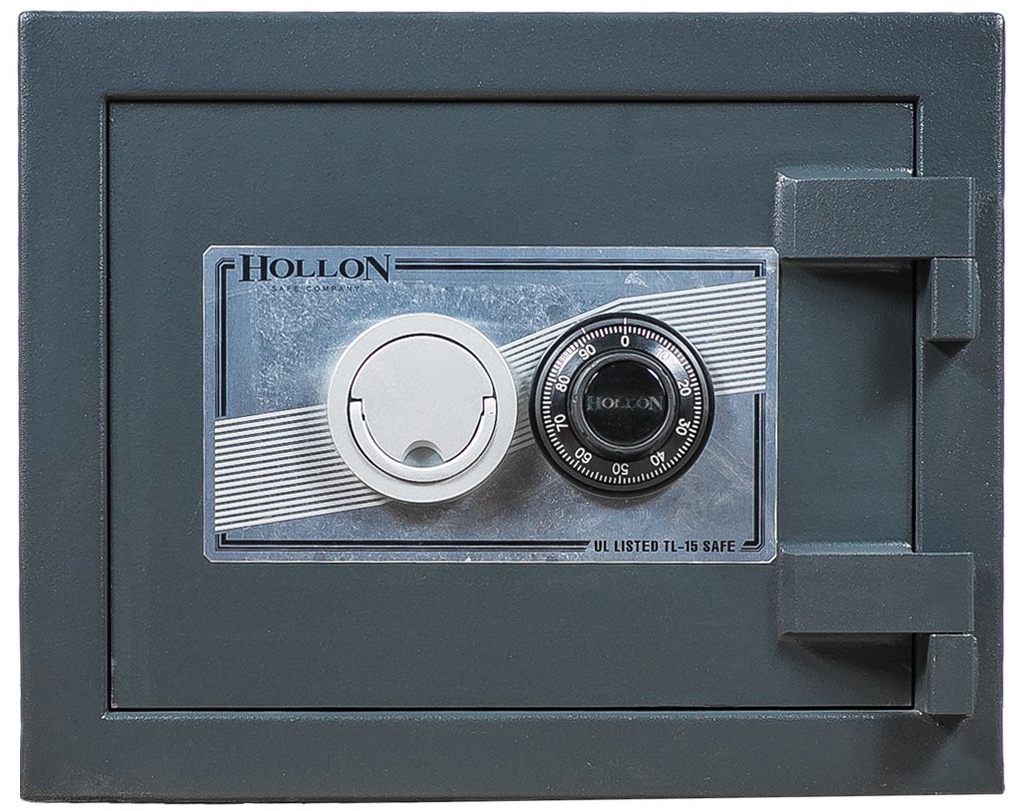
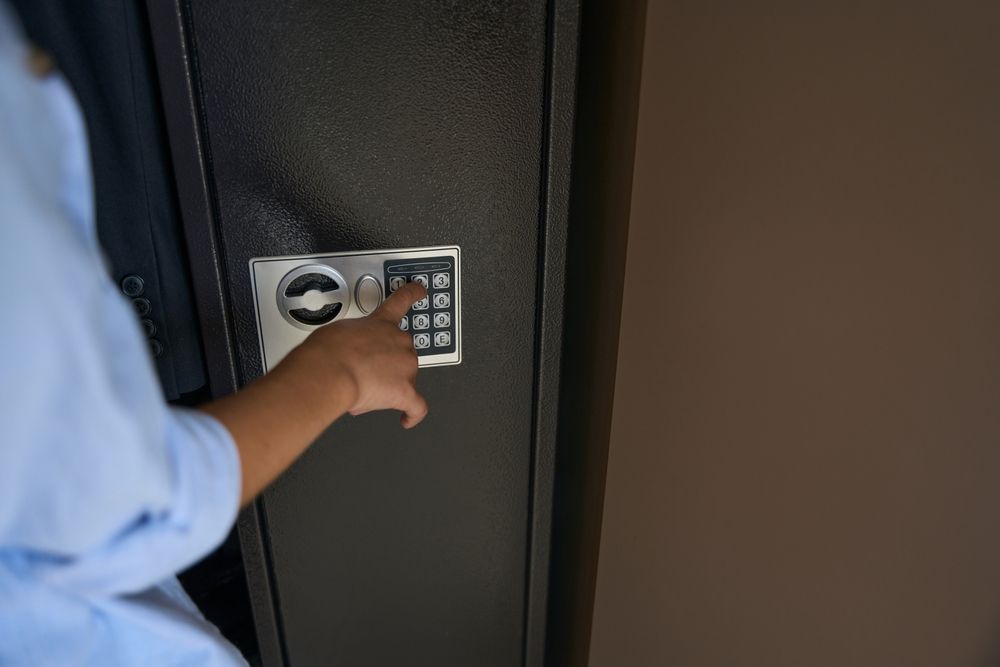
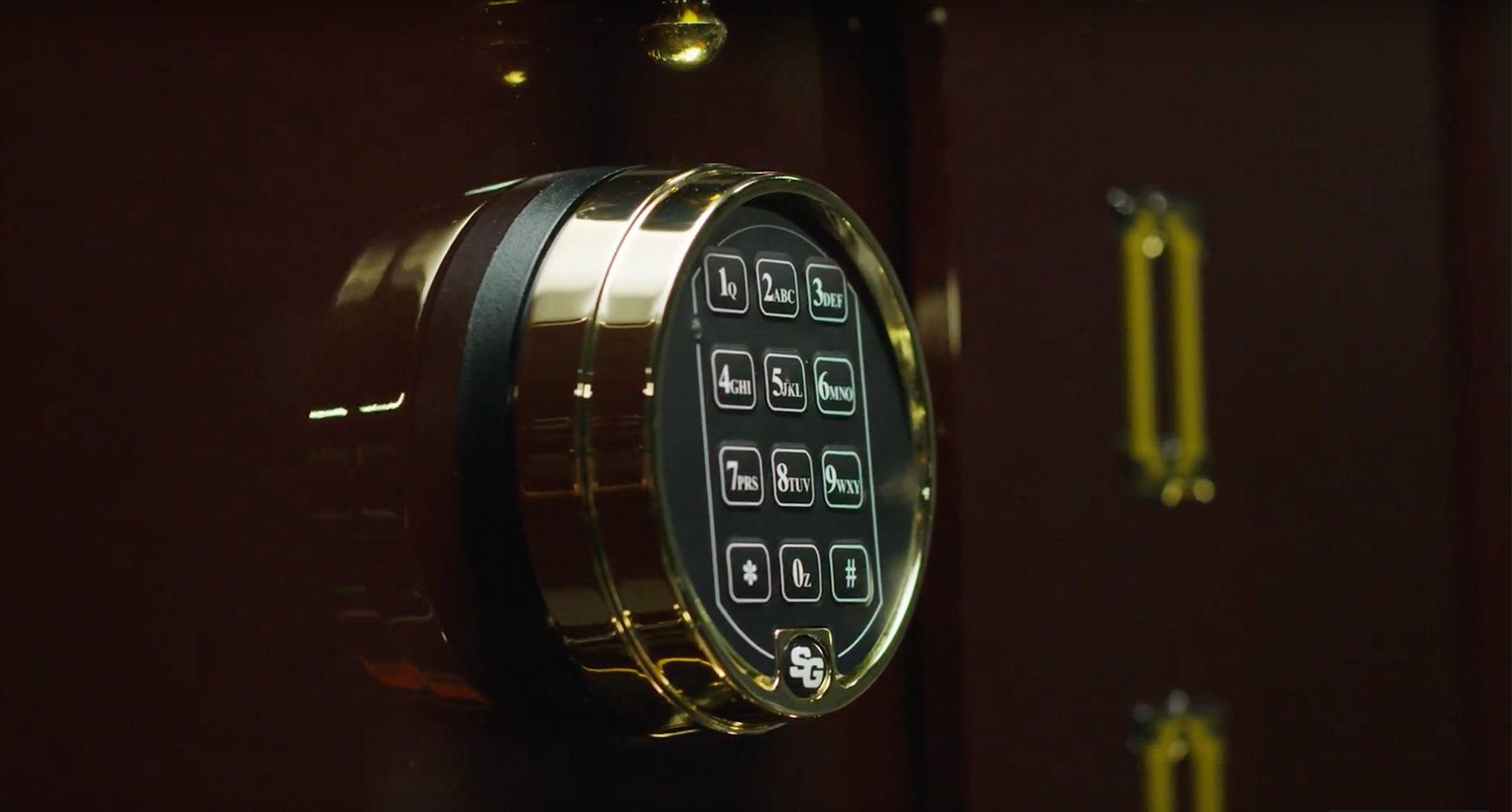
A traditional dial lock is valued for its simplicity and long service life. Some owners, however, prefer faster entry and easier code changes. An electronic safe lock can provide convenient keypad access without requiring the user to spin a dial through a combination sequence.
Electronic locks may be a good fit for households where more than one authorized adult needs access or businesses that want to update a combination when responsibilities change. The exact features depend on the lock. Some models offer multiple codes, time delays, audit capabilities, or other controls, while basic models focus on straightforward keypad entry.
Compatibility matters. The lock must fit the safe's existing lock footprint, boltwork, door construction, and relocker system. Installation is not a good do-it-yourself project. A mistake can damage the lock, affect the safe's security, or cause a lockout. An experienced safe professional can determine whether the door will accept the desired lock and install it without compromising the protective design.
Consider a Biometric or Redundant Lock
A biometric safe lock uses an authorized fingerprint, a code, or a combination of credentials, depending on the model. It can be appealing when quick access is important and the owner wants an alternative to remembering or entering a traditional combination.
Biometric access should still be chosen carefully. Ask how users are enrolled, how many fingerprints can be stored, how backup access works, and what maintenance the lock requires. Fingerprint readers can behave differently when a finger is wet, dirty, injured, or positioned poorly, so a dependable secondary method matters.
Another option is a redundant lock that combines electronic convenience with mechanical access. This type of setup can give an owner a second way to open the safe if an electronic component or battery fails. It may be especially useful for someone who likes keypad entry but is not ready to give up the reliability of a mechanical dial.
Improve the Safe's Physical Security
Changing the lock does not make thin steel thicker or correct weak door construction. If burglary resistance is the main concern, the entire safe needs to be considered. Door steel, body steel, boltwork, relockers, anchoring, hinges, and placement all contribute to security.
Safes R Us offers
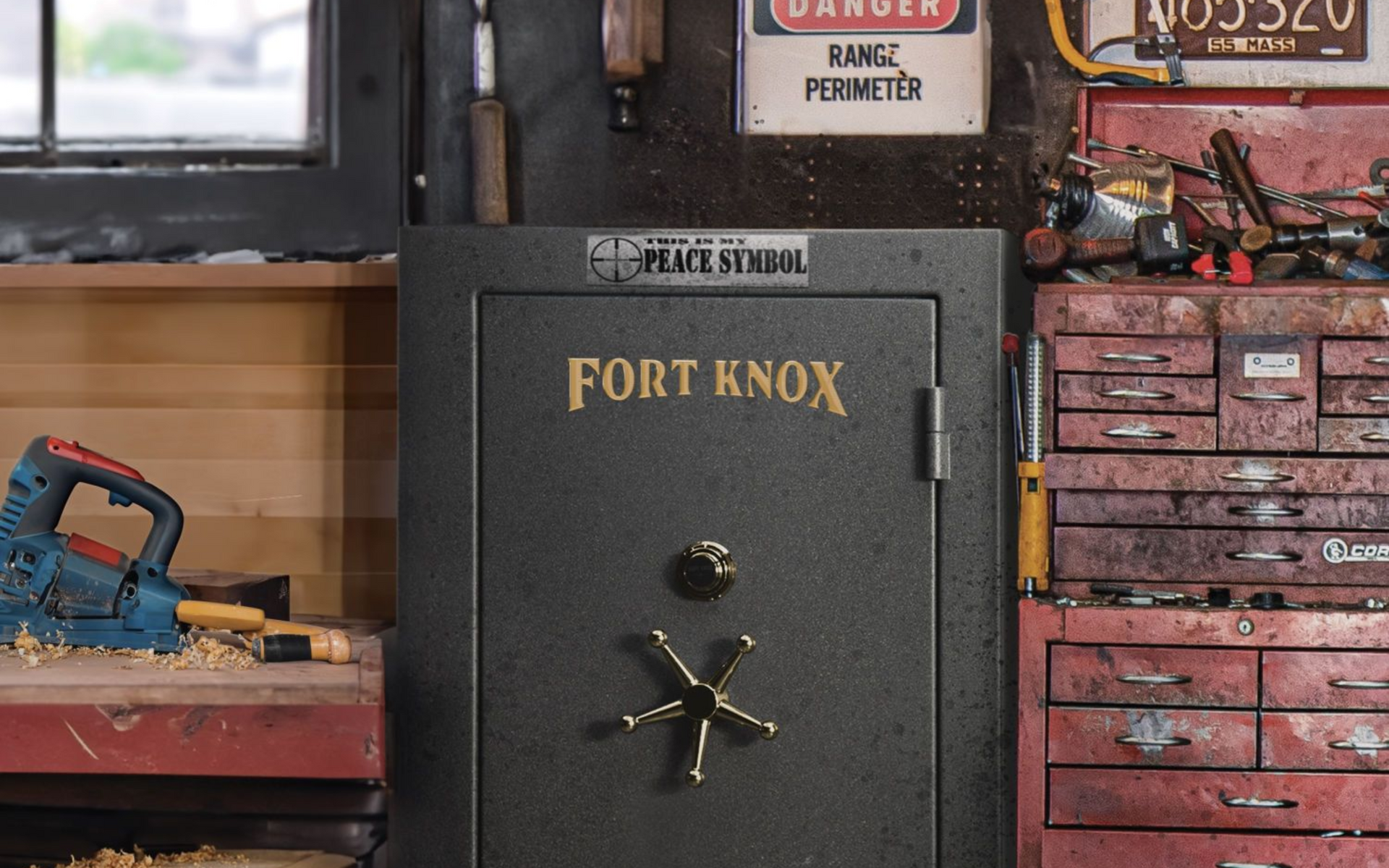
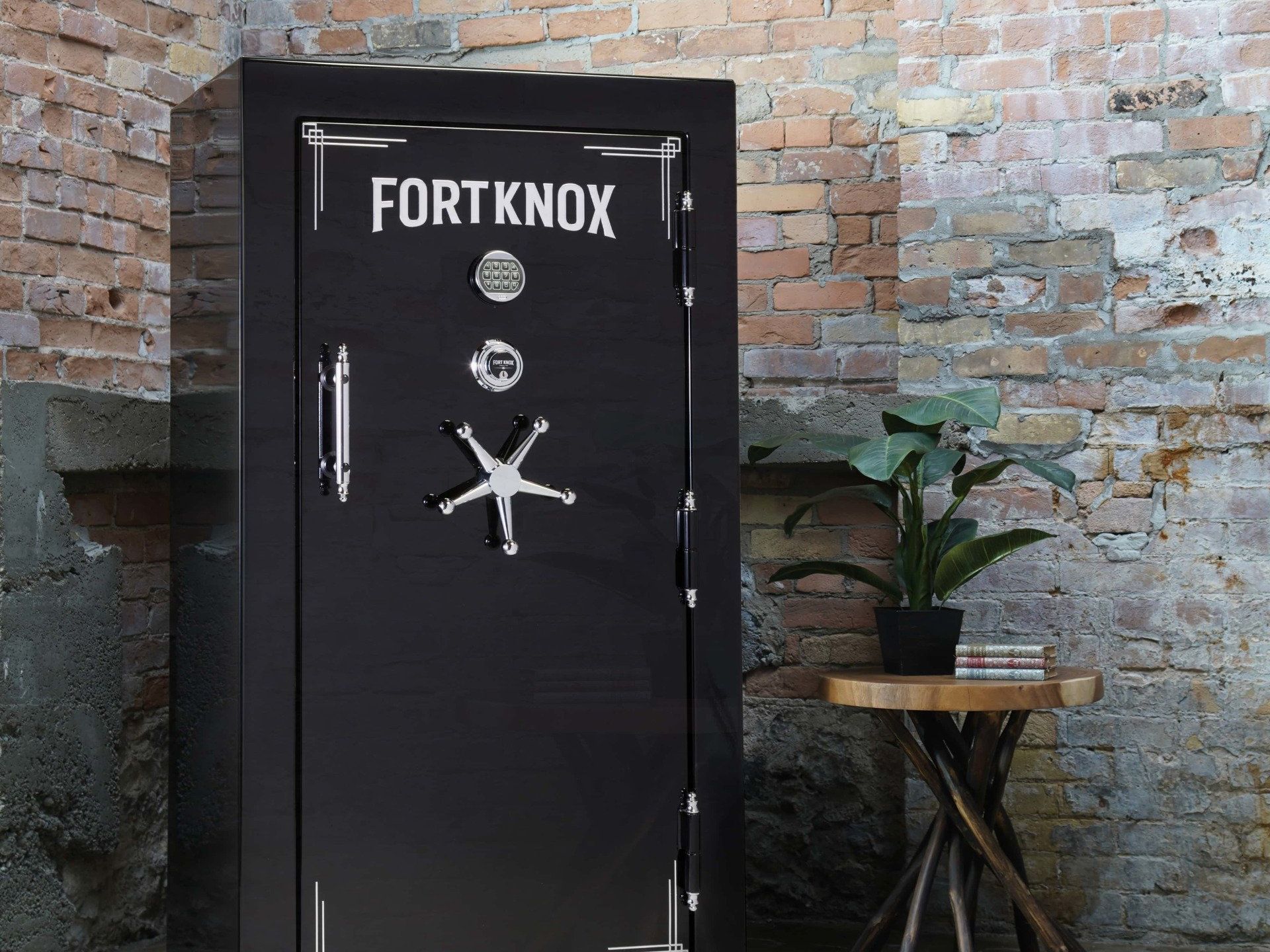
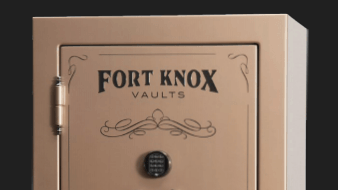
safe security upgrades for new Fort Knox configurations, including added steel and reinforced packages. These structural features are generally selected while the safe is being built rather than added casually to an older unit. If an existing safe does not provide the protection now needed, replacing it with a properly configured model may be more practical than trying to rebuild the original shell.
Anchoring may also deserve attention. A safe that is not secured as recommended can sometimes be removed from the property and attacked elsewhere. The correct anchoring method depends on the safe, floor, building construction, and intended location. Because drilling in the wrong place can damage flooring, utilities, or the safe itself, placement and anchoring should be planned by an experienced installer.
Review Fire Protection Honestly
Many older safes were built with limited insulation, damaged seals, or fire claims that do not match modern expectations. Fire protection is not created by the door seal alone. Insulation coverage, door construction, thermal barriers, seams, and the complete cabinet design all affect performance.
A new Fort Knox safe can be configured with a
fire protection upgrade that increases protection while using some interior space. That type of built-in upgrade is different from applying a new gasket to an old cabinet. If fire resistance is a priority, especially for documents, photographs, digital backups, or irreplaceable family items, ask whether the existing safe has a documented rating and whether its protection can realistically be improved.
Sometimes the honest answer is that a new safe is the safer investment. A modern lock on an underbuilt cabinet may improve convenience, but it does not transform the cabinet into a tested fire-resistant or high-security safe.
Update the Interior for Better Organization
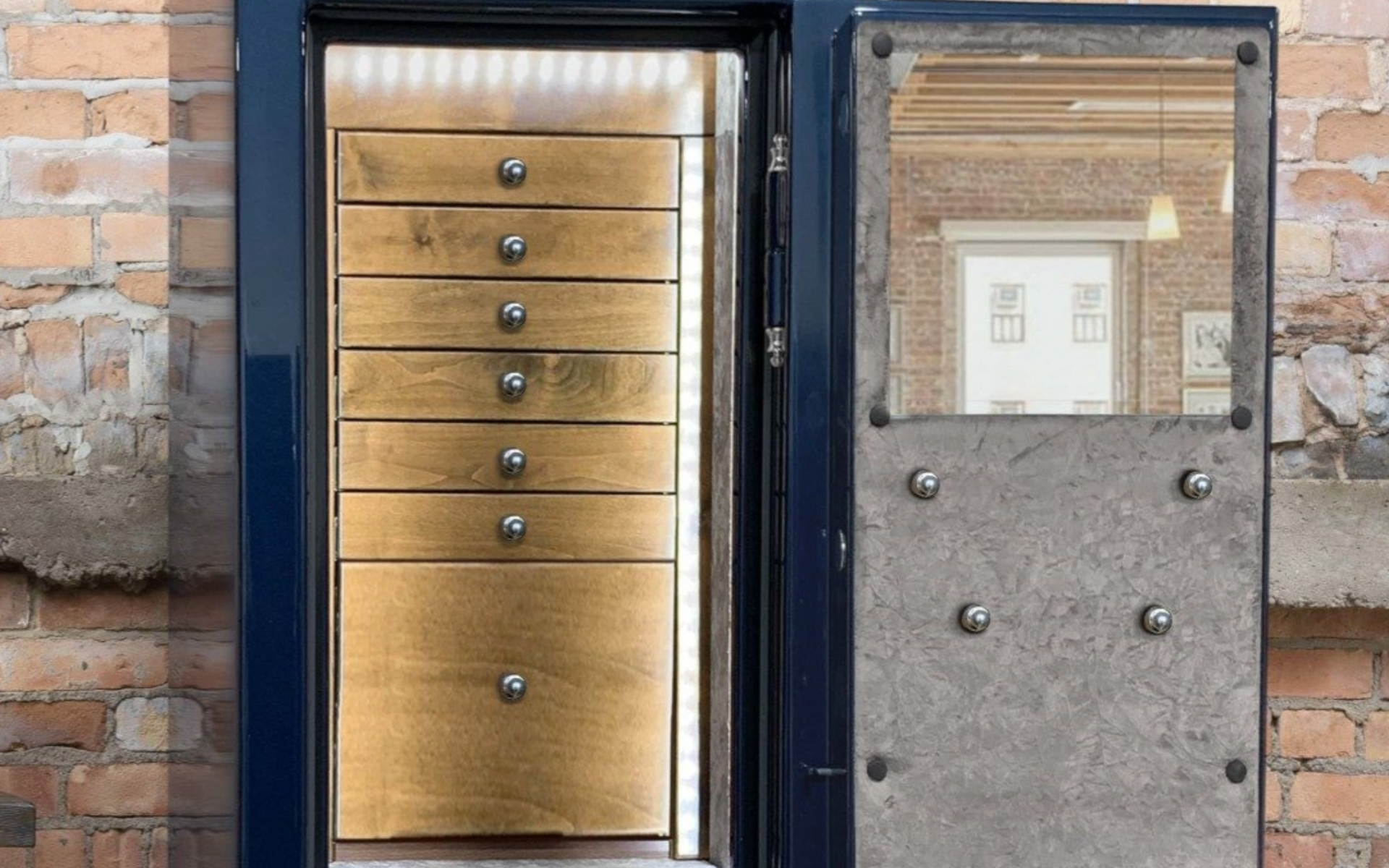
An older safe may still provide strong protection while wasting space inside. Fixed shelving built for one purpose may not suit a growing collection of documents, jewelry, watches, firearms, coins, or business records. Adjustable shelves, door storage, drawers, lighting, and protective fabric can make the interior easier to use.
Safes R Us offers
safe accessories such as interior lighting, drawers, mirrors, and moisture-control products for compatible safes. Interior improvements should be selected around the contents. Jewelry benefits from soft, organized storage. Documents need shelves or file drawers that prevent bending. Firearms and metal collectibles may need humidity management to reduce the risk of corrosion.
Do not block boltwork, internal vents, lock components, or moving parts when adding organizers. Adhesives, screws, electrical cords, and homemade shelving can interfere with operation or damage the interior. A purpose-built accessory is usually a better choice than an improvised modification.
Add Moisture Control and Interior Lighting
Houston's humidity can be hard on metal, paper, leather, and fabric. A dehumidifier or moisture-control product can help manage the environment inside a compatible safe. It should be sized, placed, and maintained according to the safe and accessory instructions. Moisture control does not eliminate the need to inspect stored items periodically.
Lighting is another useful upgrade. A well-lit interior makes it easier to find small items, read labels, and notice moisture or damage early. Before adding any powered accessory, confirm that the safe has an appropriate electrical connection. Running an extension cord through the door or drilling an unapproved opening can affect security and fire protection.
Reorganize Access for the People Who Use the Safe
Modernizing a safe is also a good time to review who can open it. Remove access that is no longer needed, change combinations or codes when appropriate, and decide how backup access will be handled. Keep recovery information in a secure location outside the safe rather than locking the only instructions inside it.
For a household, that may mean making sure another trusted adult can respond during an emergency. For a business, it may mean assigning separate credentials where the lock supports them and documenting who is responsible for routine checks. Convenience should never come at the expense of clear access control.
Know When Replacement Makes More Sense
Upgrading an older safe can be worthwhile when the cabinet and door remain sound, the lock is compatible, and the improvements address a clear need. Replacement is often the better choice when:
The safe has serious rust, fire, water, or impact damage.- The door or boltwork no longer operates correctly.
- The manufacturer or model cannot be identified and compatible parts are unavailable.
- The cabinet lacks the burglary or fire protection required for the contents.
- The safe is too small, poorly located, or difficult to use.
- The total cost of modifications approaches the cost of a properly configured new safe.
Safes that need to be relocated should be handled by an experienced
safe moving service. Moving a heavy unit without the right equipment can injure people, damage the building, or disturb the safe's alignment.
Build a Safer, More Useful System
The best upgrade is not necessarily the newest gadget. It is the change that solves a real problem without weakening the safe. That may be a professionally installed lock, better interior organization, moisture control, updated access procedures, or a new safe built with the protection the owner needs today.
Safes R Us has served Houston-area safe owners for more than 30 years and offers
Fort Knox safes, customization options, delivery, setup, and relocation. If you are deciding what to update and what to replace,
contact Safes R Us to discuss the safe, its condition, and what you want it to protect.