
How to Protect Your Valuables During Power Outages or Natural Disasters
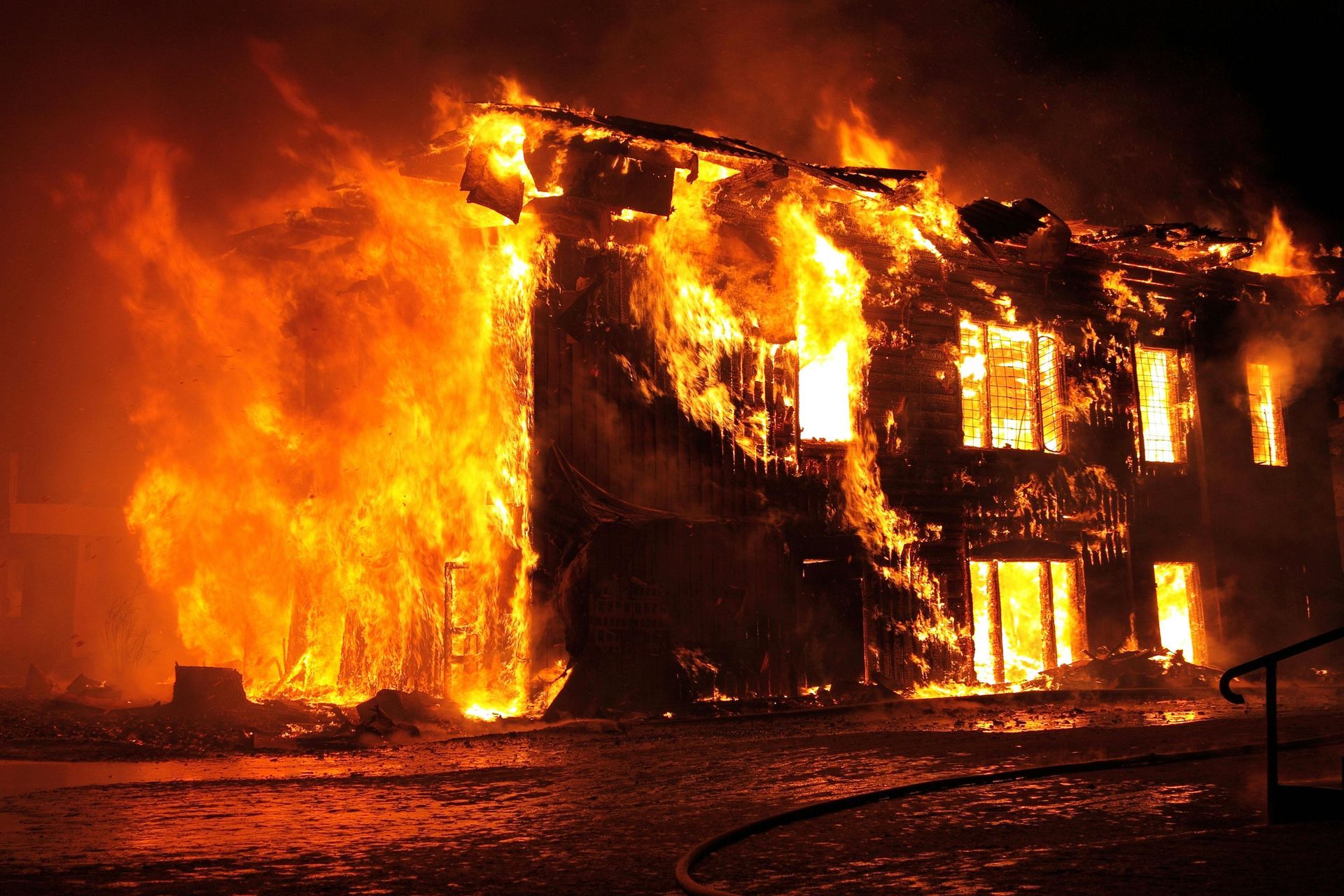
Natural disasters and unexpected power outages can strike at any time, posing serious risks to your valuables. From important documents and jewelry to electronics and firearms, proper preparation can prevent permanent loss or damage. Homeowners and business owners alike need a plan to protect their possessions and maintain peace of mind.
Whether you live in an area prone to hurricanes, floods, or severe storms, or simply want to be prepared for electrical outages, taking proactive measures makes sure that your most valuable items remain safe and accessible.
1. Invest in a High-Quality Safe
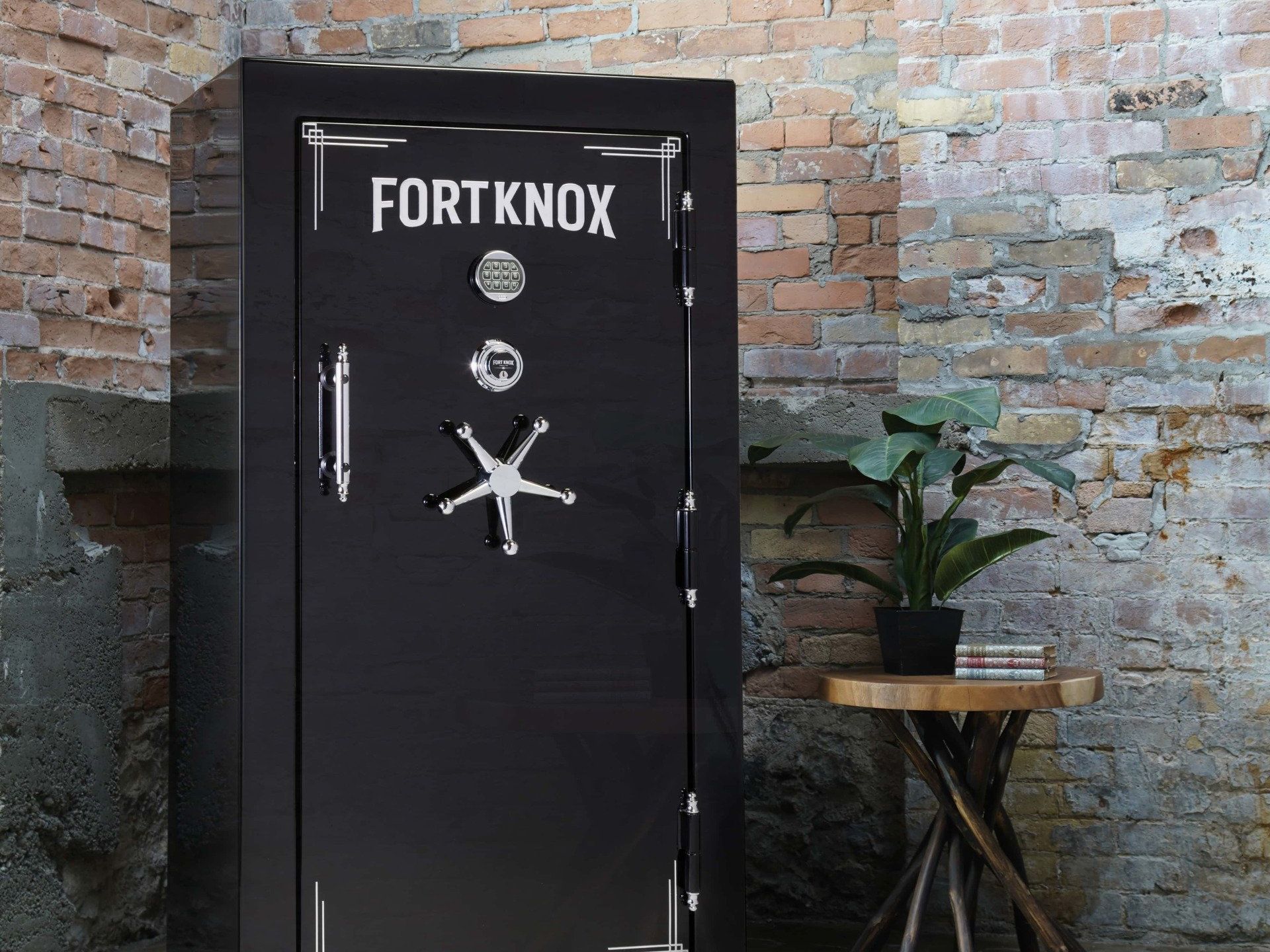
The first line of defense for protecting valuables during emergencies is a strong, reliable safe. Not all safes are created equal, and choosing one designed for multiple hazards is important.
Key considerations when selecting a safe:
- Fire Resistance: Look for safes with certified fire ratings to protect paper documents, cash, or digital media during wildfires or electrical fires.
- Water Resistance: Flooding is a common concern during storms or hurricanes. A water-resistant safe keeps your valuables dry and secure.
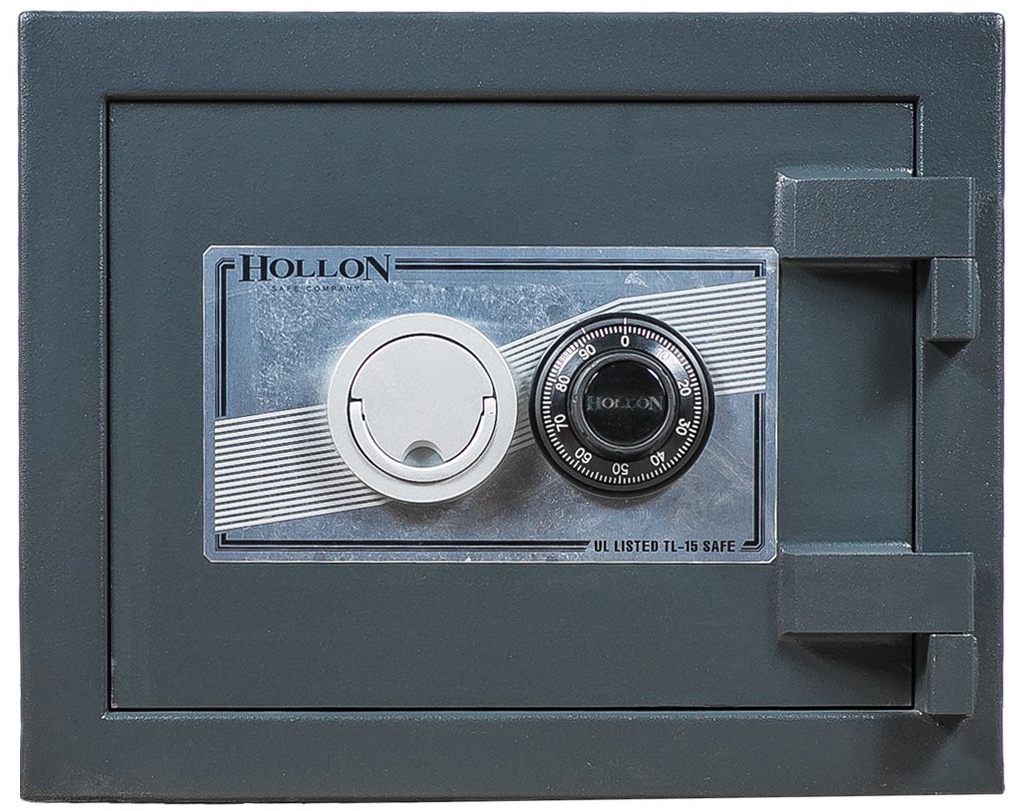
- Burglary Protection: During emergencies, theft can become a concern. Solid steel construction and reinforced locking mechanisms provide added security.
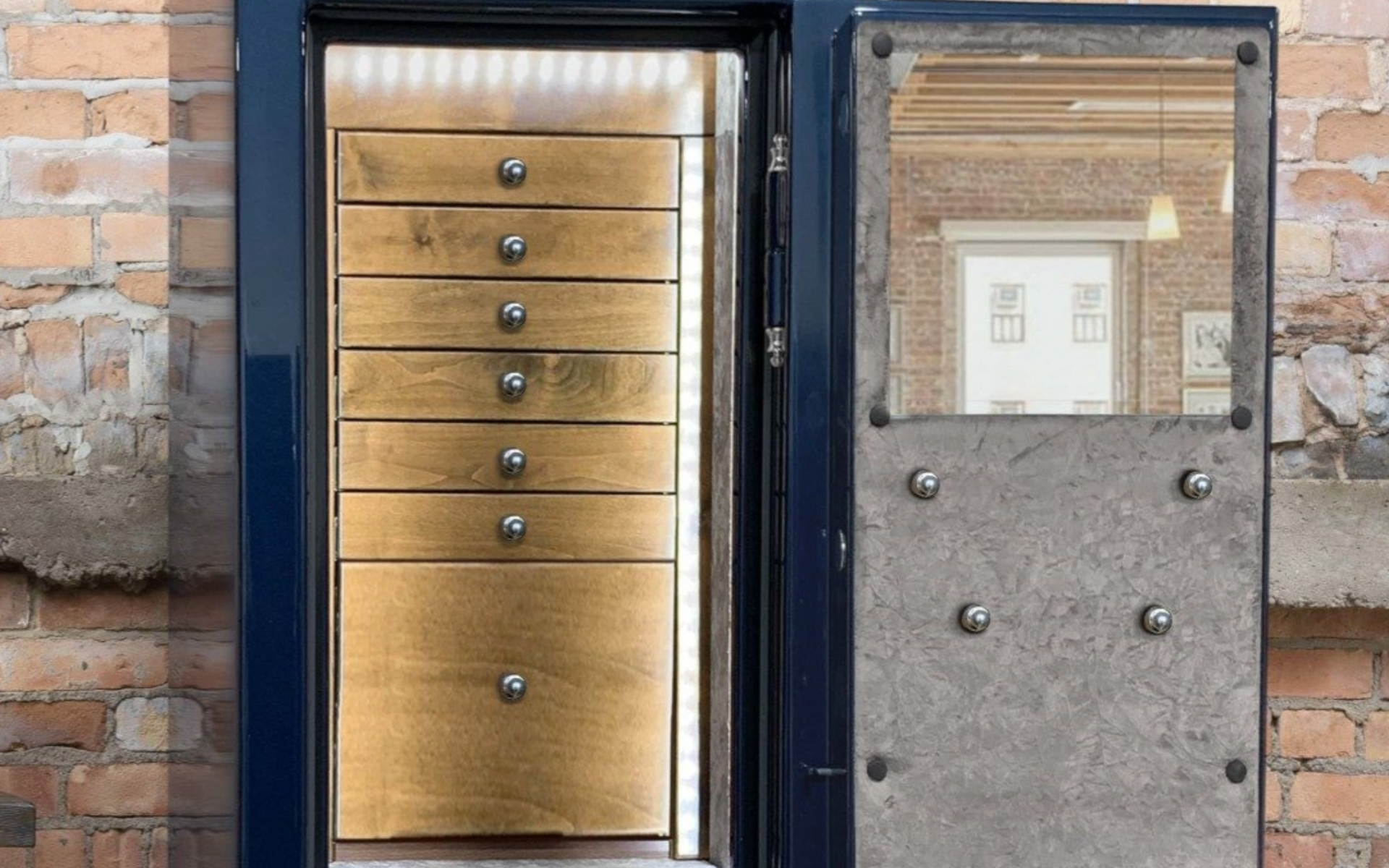
- Size and Organization: Make sure that your safe is large enough to store all critical items, including documents, electronics, jewelry, or firearms, with compartments for organization.
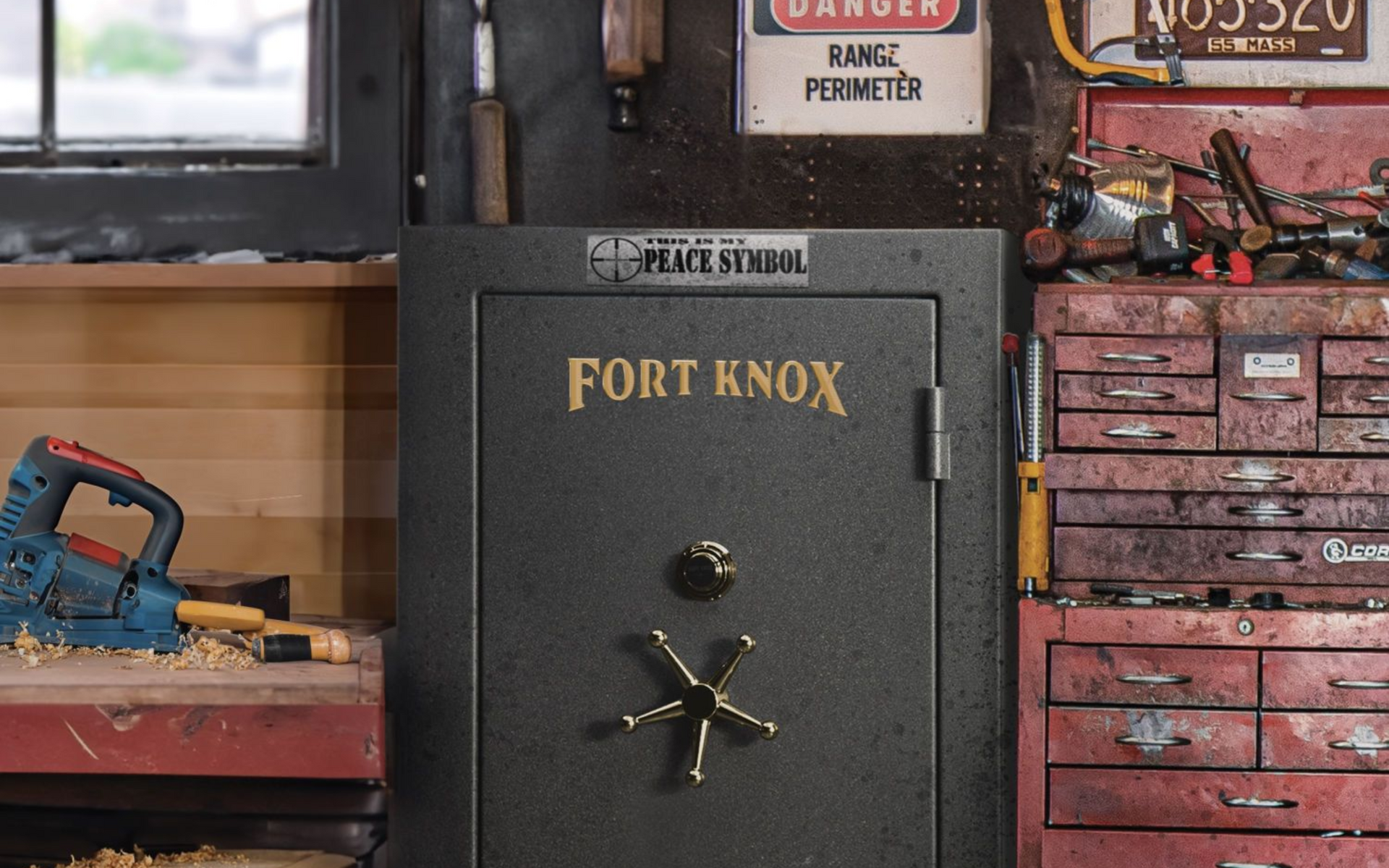
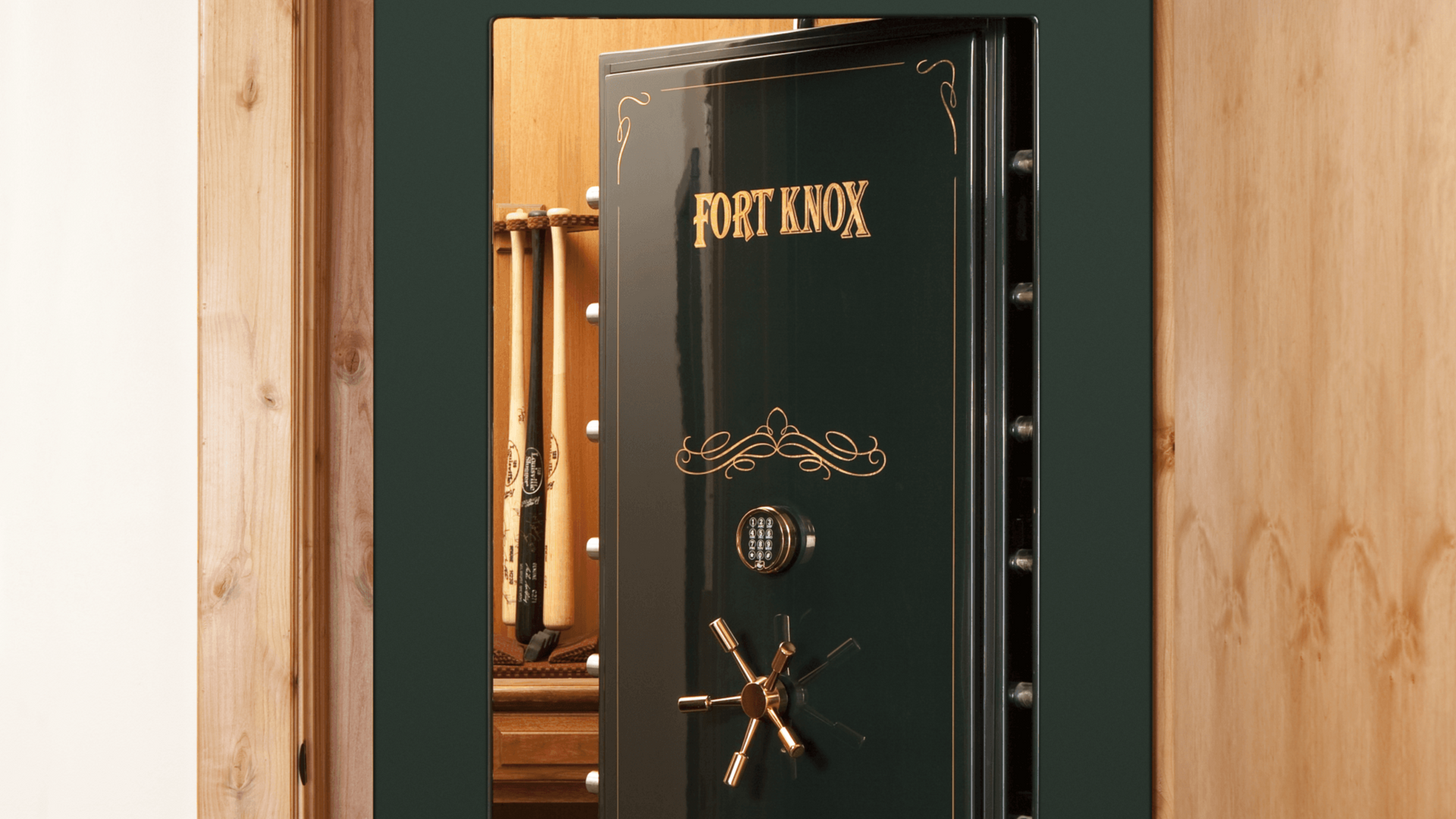
Safes R Us offers a variety of options, including Fort Knox safes, document safes, and valuables safes, each designed to withstand fire, water, and burglary threats.
2. Prioritize What to Protect
Before an emergency occurs, make a list of your most important items. This includes:
- Documents: Birth certificates, passports, property deeds, insurance policies, and wills.
- Valuables: Jewelry, heirlooms, cash, and collectibles.
- Electronics: Laptops, hard drives, and other devices containing critical information.
- Firearms and Ammunition: For legal and safety reasons, firearms should always be stored securely in a gun safe.
By identifying priorities, you can make sure that your safety and emergency plan is designed to protect what matters most.
3. Prepare for Power Outages
During extended power outages, some home security systems, electronic locks, or climate-controlled safes may be affected. Consider the following:
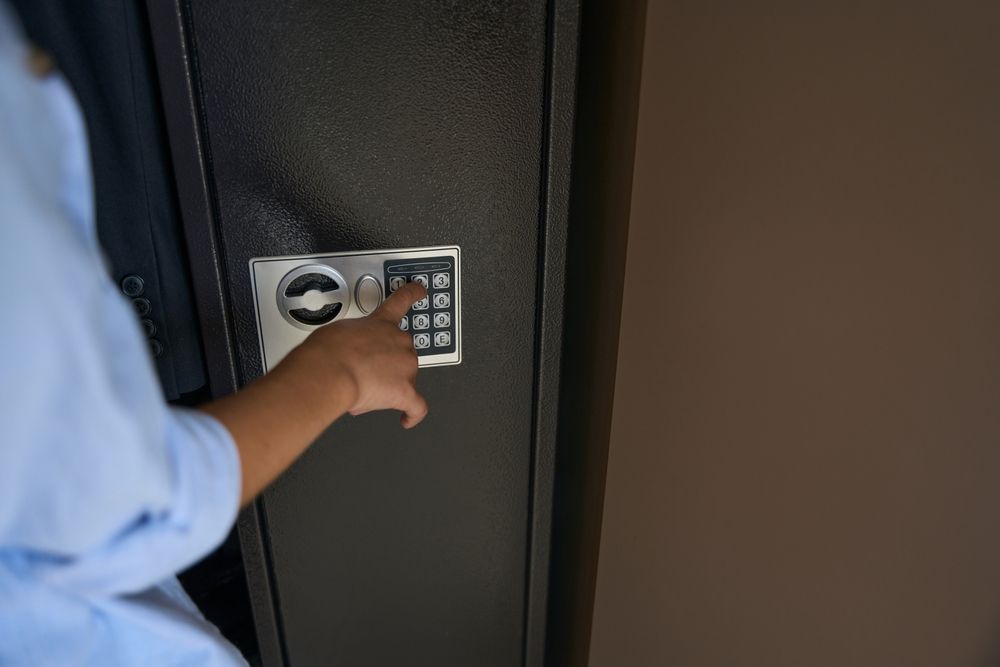
- Battery Backup: Makes sure that safes with electronic or biometric locks have battery backup or alternative manual access.
- Temperature-Sensitive Items: Items such as electronics or certain medications may need additional protection from extreme heat or cold.
- Lighting and Access: Keep flashlights or battery-powered lanterns near safes and storage areas to access valuables safely during outages.
Being prepared for power interruptions makes sure that you can access your safe when necessary while maintaining security.
4. Protect Against Floods and Water Damage
Water damage is one of the most common threats during natural disasters. Floods, heavy rain, or broken pipes can ruin documents, electronics, and other valuables.
- Elevate Safes: If possible, place safes on a raised platform or floor above potential flood levels.
- Waterproof Containers: Smaller valuables can be stored in waterproof pouches or lockboxes inside your main safe.
- Seal Important Documents: Use protective sleeves or binders for additional security against moisture.
Choosing a water-resistant safe adds an extra layer of protection during unexpected water exposure.
5. Keep an Emergency Plan
An emergency plan can reduce stress and prevent loss.
- Document Storage: Keep copies of critical documents offsite or digitally backed up in secure cloud storage.
- Evacuation Strategy: Know what items to grab quickly if you need to leave your home.
- Insurance Records: Store insurance policies in your safe to expedite claims if damage occurs.
- Communication Plan: Make sure that all family members know the location of safes and emergency procedures.
Planning makes sure that you are prepared for both power outages and larger-scale natural disasters.
6. Regular Maintenance and Updates
Safes and emergency plans require regular attention to remain effective:
- Check batteries in electronic locks regularly.
- Review and update the list of items stored in the safe.
- Test waterproofing and fireproofing features periodically.
- Rotate important documents or valuables as needed.
Maintaining your safe and preparation plan confirms long-term protection and reliability. Looking for used Fort Knox safes for sale? Visit our showroom for options that combine affordability and security.
If you are googling a "safe store near me" we are just around the corner. Looking for used Fort Knox safes for sale? Visit our showroom for options that combine affordability and security.
Frequently Asked Questions
Can I protect electronics in a fire- or water-resistant safe?
Yes. Some safes are designed to protect both paper documents and electronics. Look for safes with certified digital media protection.
What should I do if my safe is too heavy to move during an emergency?
Choose a safe that remains secure in its location, elevate it if needed, and focus on planning around items you can quickly transport, such as portable valuables or important documents.