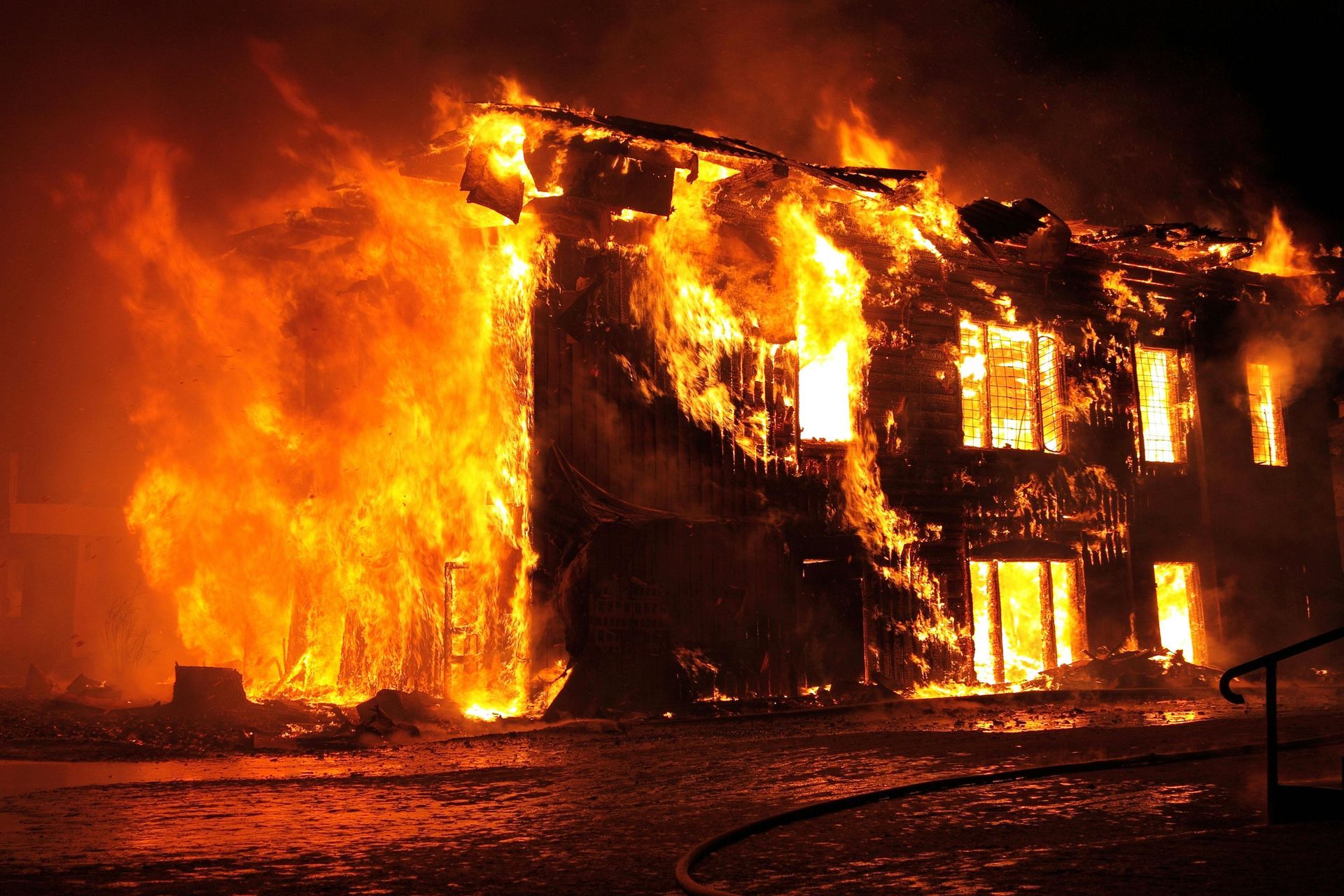

Safe Placement: Why Location Matters More Than You Think
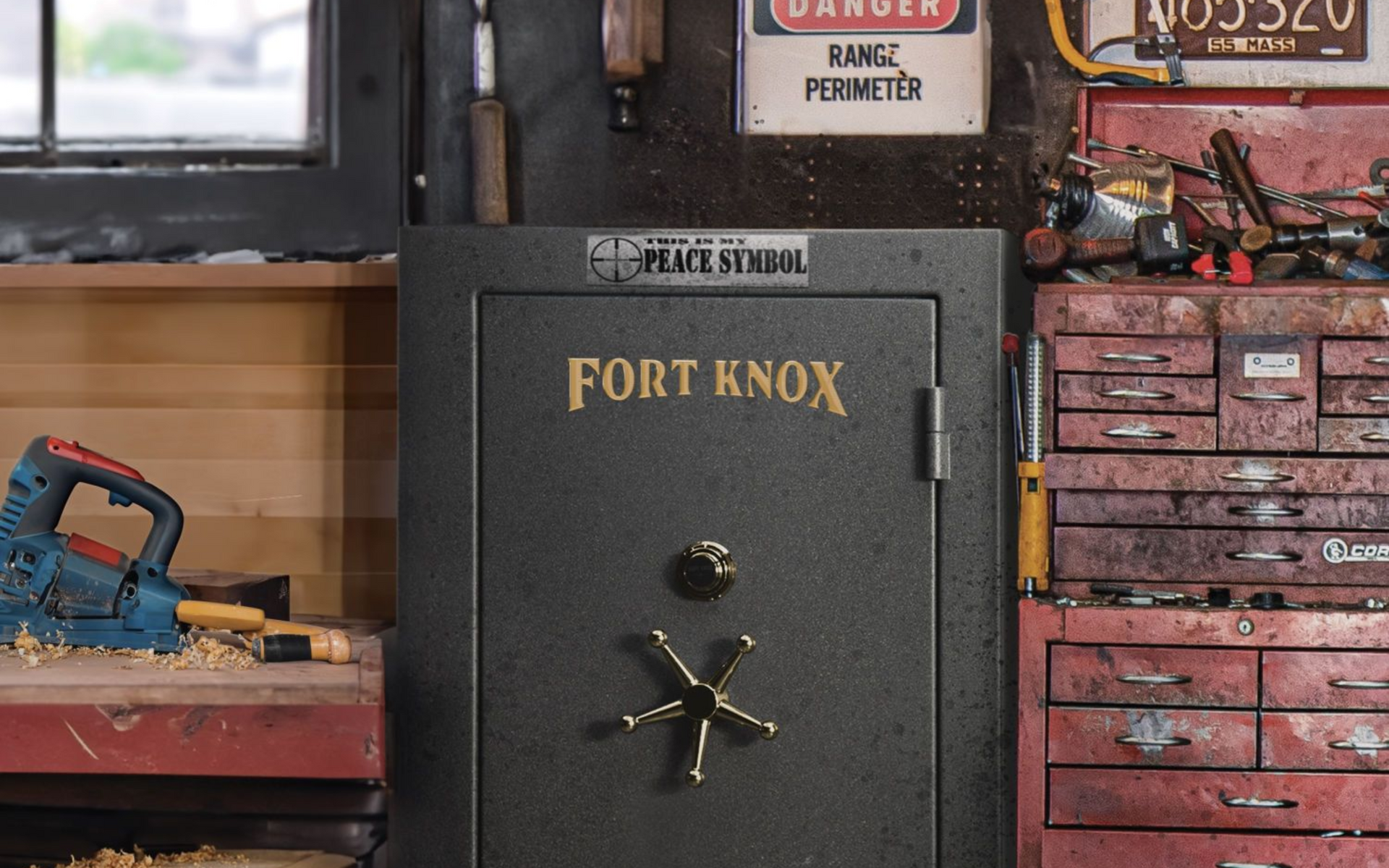
When people invest in a safe, most of the focus goes into choosing the right size, lock type, and security rating. While those factors are important, one detail often gets overlooked. Where you place your safe matters just as much as the safe itself.
The location of your safe can impact how secure it is, how well it protects your valuables in a fire, and how easy it is for you to access it when needed. A well-chosen safe placed in the wrong spot loses much of its effectiveness, which is why planning ahead is essential.
Why Safe Placement Matters
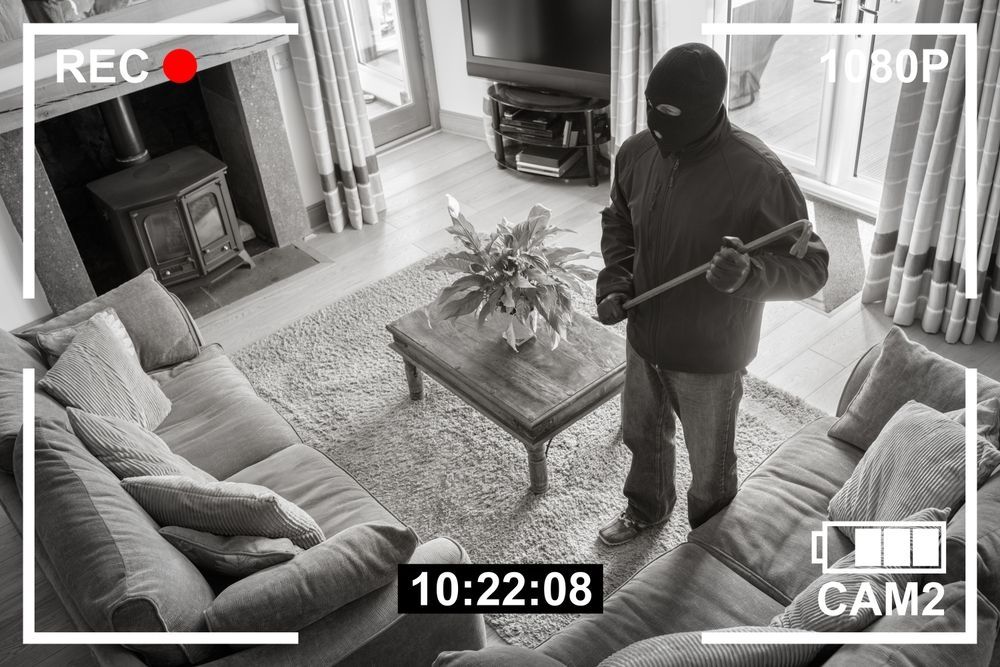
A safe is designed to protect valuables, documents, firearms, and personal items from theft, fire, and damage. However, if it is placed in a weak or exposed location, it becomes easier for someone to find or remove it.
For example, a safe placed in a highly visible area may draw unwanted attention. On the other hand, a safe hidden in a structurally weak part of a home may be easier for thieves to break through or remove entirely.
Placement affects three key areas:
- Security from theft
- Protection from fire and damage
- Ease of access for the owner
Balancing these three factors is the key to effective, safe placement.
Security First: Choosing a Low Visibility Location
One of the most important rules in safe placement is keeping it out of plain sight. The less obvious your safe is, the better.
Ideal locations often include:
- Interior closets
- Basements
- Dedicated storage rooms
- Hidden wall or floor installations
Avoid placing safes near windows, garages with direct visibility, or entryways where guests or intruders could easily spot them.
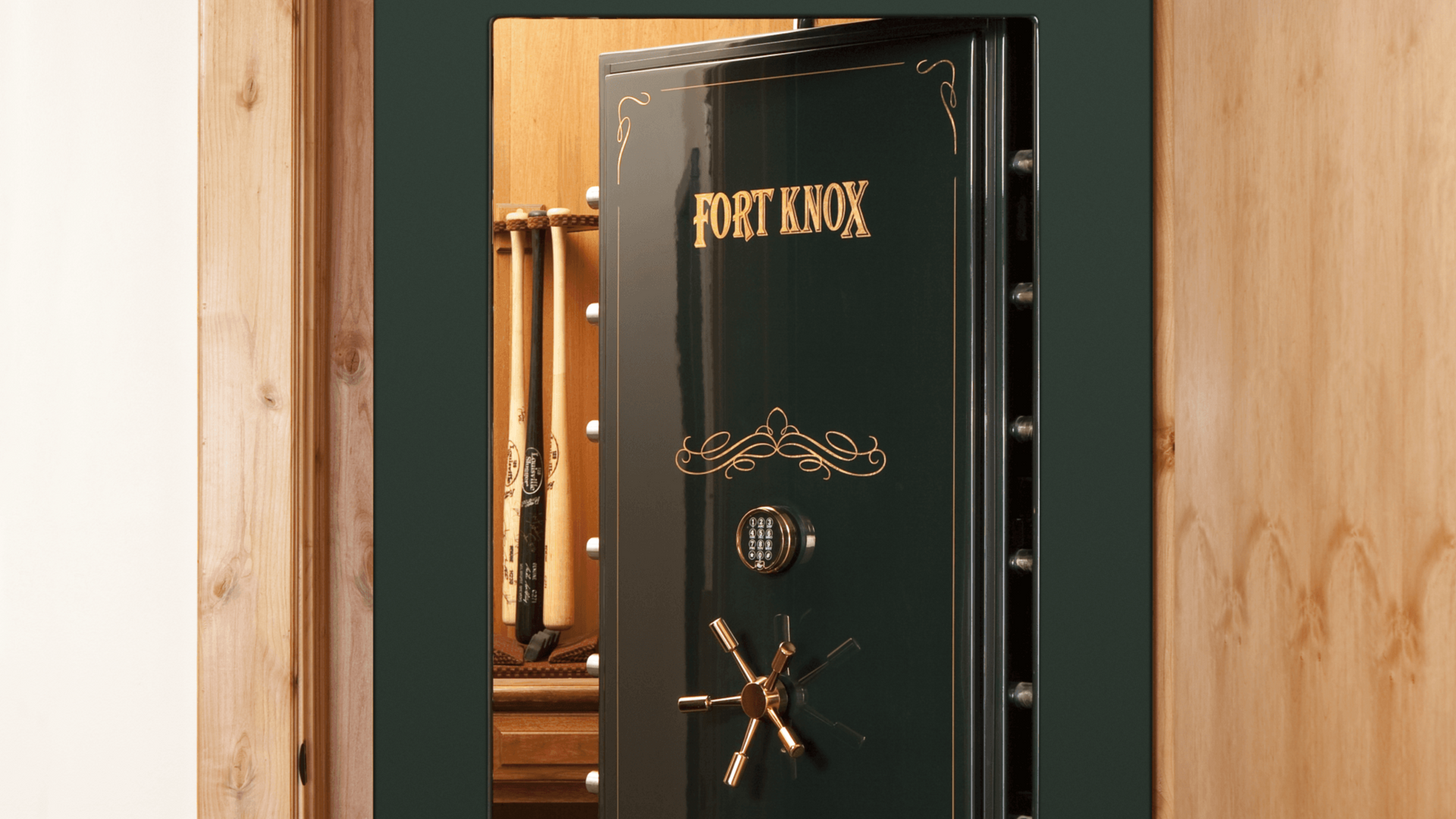
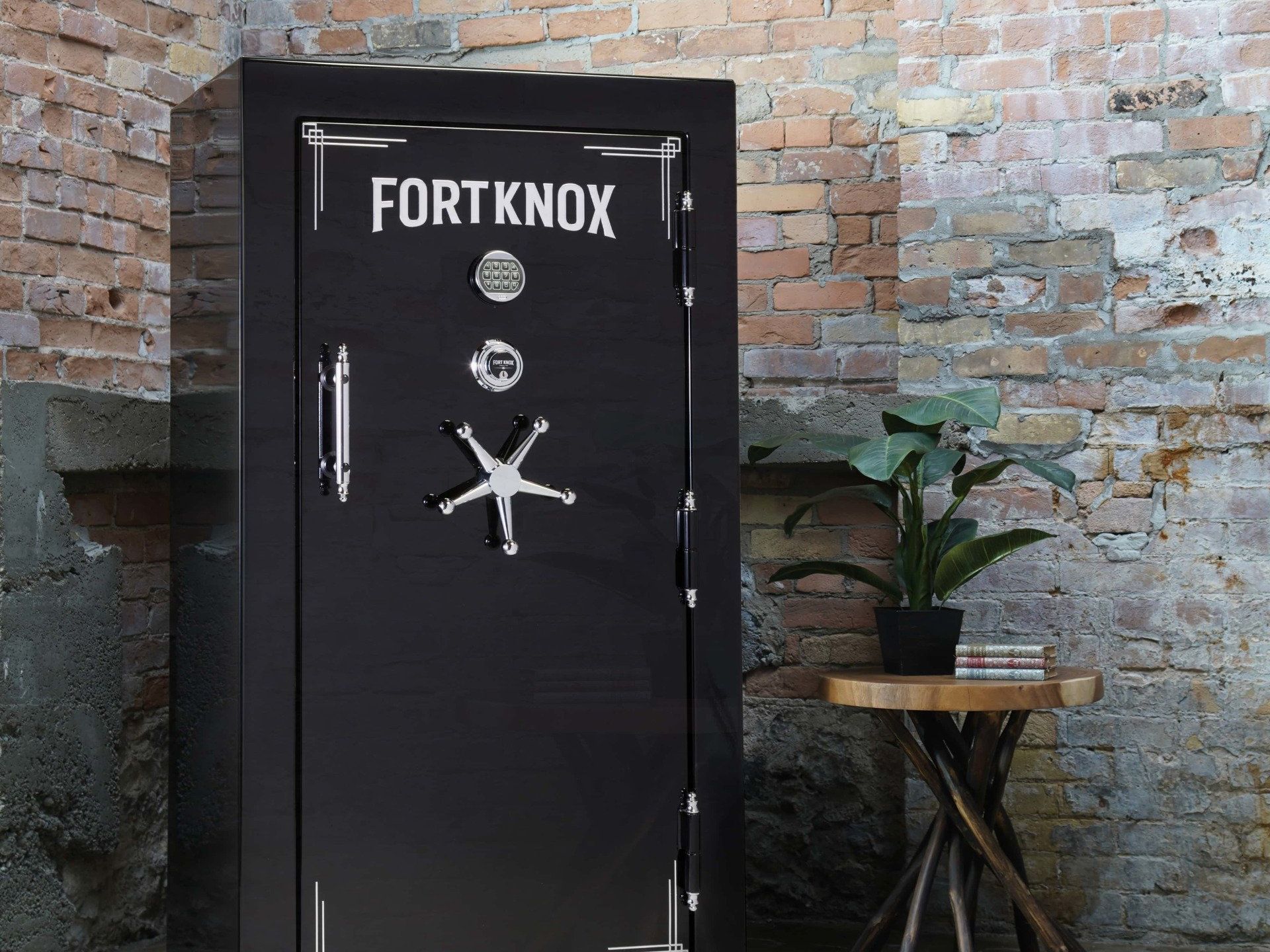
Even high quality safes, including premium options like Fort Knox safes, rely on concealment as part of their overall protection strategy. A strong safe is most effective when it is not easy to find.
Structural Support Matters
Safes are heavy, especially larger models designed for firearms or high value items. Because of this, the structural strength of the floor beneath the safe is extremely important.
Placing a safe on a weak floor or elevated surface can lead to damage or instability. Ground level concrete floors or reinforced areas are typically the best options.
In some cases, professional installation is recommended to ensure the safe is properly anchored. This adds an additional layer of protection against theft attempts where someone might try to remove the entire safe.
Fire Protection and Environmental Safety
Another factor to consider is how your safe will perform in the event of a fire or natural disaster. Some areas of a home are more vulnerable than others.
Basements, for example, may offer better protection from fire but could be at risk of flooding depending on your location. Upper floors may reduce flood risk but could expose the safe to higher heat during a fire.
It is important to balance these risks based on your home layout and environment. The goal is to place the safe in an area where it has the best chance of surviving multiple types of threats.
Accessibility Without Compromising Security
While security is the top priority, accessibility should not be ignored. A safe that is too difficult to access may become inconvenient for daily use.
Consider:
- How often you need to access the safe
- Whether multiple people need access
- The physical space around the safe for opening the door
A good placement allows you to access your belongings comfortably without making the safe vulnerable to others.
Residential vs Commercial Placement
Safe placement considerations can vary depending on whether the safe is used in a home or business setting.
In homes, safes are often placed in private areas with limited access. In commercial spaces, placement may need to account for employee access, surveillance systems, and higher traffic environments.
Businesses often require more strategic placement to balance employee access with theft prevention. In both cases, planning ahead is critical.
Choosing the Right Safe for the Right Location
Not all safes are designed for the same environments. Some are built for fire protection, others for burglary resistance, and some for both.
High-quality options like Fort Knox safes are known for their durability and security features, but even the best safe performs best when properly placed.
The right combination of safe quality and placement strategy creates a much stronger protection system than either factor alone.
Working With Experts
Safe placement is not always straightforward. Factors like weight, anchoring, home layout, and risk level all play a role in deciding the best location.
This is where professional guidance can be helpful. A trusted best jewelry safe store can provide insight into safe models, placement options, and installation best practices based on your specific needs.
Expert recommendations can help you avoid common mistakes and improve long term security.
Final Thoughts
Safe placement is one of the most overlooked parts of home and business security. Even the strongest safe can lose effectiveness if it is placed in the wrong location.
Taking time to consider visibility, structural support, environmental risks, and accessibility can significantly improve how well your safe performs. When paired with a high quality product and proper installation, smart placement creates a much stronger layer of protection for your valuables.
FAQs
What is the best location in a home for a safe?
The best location is typically a low visibility, structurally strong area such as a closet, basement, or interior room with limited exposure.
Can a safe be placed on any floor of a house?
While safes can be placed on multiple floors, it is important to ensure the floor can support the weight and that the location balances security, fire protection, and accessibility.